
Services
Diabetic Retinopathy
Specialist diagnosis and treatment of diabetic retinopathy and diabetic macular oedema in Melbourne's northern suburbs — from annual screening to intravitreal injections, laser, and surgery.
Diabetic Eye Disease in Melbourne's Northern Suburbs
Diabetic retinopathy is the leading cause of preventable vision loss in working-age Australians, and one of the most serious complications of both type 1 and type 2 diabetes. Northern Eye Consultants provides specialist assessment, monitoring, and treatment for diabetic retinopathy and diabetic macular oedema from our consulting rooms at Northpark Hospital, Bundoora — serving patients from Epping, Mill Park, Thomastown, Preston, Reservoir, Whittlesea, South Morang, and across Melbourne's northern suburbs.
The critical fact every diabetic patient should know is that diabetic retinopathy often causes no symptoms until it has reached an advanced stage. Annual retinal examination is recommended for all people with diabetes, regardless of how good their vision feels. Early detection and treatment can prevent the majority of severe vision loss caused by this disease. Read our detailed guide on diabetic eye disease in Melbourne's north.
What is Diabetic Retinopathy?
Persistently elevated blood glucose causes progressive damage to the small blood vessels that supply the retina — the light-sensitive layer at the back of the eye. This damage evolves through several stages.
Background (non-proliferative) retinopathy is the earliest stage. The blood vessel walls weaken and develop small outpouchings (microaneurysms) that can leak fluid and blood into the retina. Small haemorrhages and hard exudates (lipid deposits) appear. Vision is often unaffected at this stage, but the changes are visible on examination and retinal photography.
Diabetic macular oedema (DMO) occurs when fluid leaks into the central retina — the macula — causing swelling that directly disrupts central vision. DMO is the most common cause of vision loss in people with diabetes and can occur at any stage of retinopathy. It is the primary target of intravitreal anti-VEGF injection treatment.
Proliferative diabetic retinopathy (PDR) is the advanced stage in which the oxygen-deprived retina responds by growing fragile new blood vessels on its surface — a process called neovascularisation. These abnormal vessels are prone to bleeding into the vitreous and can cause tractional retinal detachment. Both are sight-threatening complications that may require surgical intervention.
Symptoms — Why Screening Matters More Than Symptoms
Early and moderate diabetic retinopathy — including mild to moderate macular oedema — often causes no noticeable change in vision. By the time a patient notices blurred central vision, floaters, or visual distortion, the retinopathy may already be at an advanced stage where irreversible damage has accumulated.
Symptoms that should prompt urgent review include sudden blurred vision, a shower of new floaters, flashes of light, or a dark shadow across part of the visual field. These may indicate vitreous haemorrhage or retinal detachment — both ophthalmic emergencies. Contact our rooms on 03 9466 8822 if you experience any sudden change in vision.
Who is at Risk?
All people with type 1 or type 2 diabetes are at risk of diabetic retinopathy. The likelihood of developing retinopathy increases with longer duration of diabetes, poor HbA1c control, elevated blood pressure, elevated cholesterol, kidney disease, and pregnancy. People with type 1 diabetes of more than 20 years' duration have a very high prevalence of retinopathy. Many patients with type 2 diabetes already have early retinopathy at the time of diagnosis.
Screening Recommendations
The Royal Australian and New Zealand College of Ophthalmologists (RANZCO) recommends annual dilated retinal examination for all people with diabetes. For type 1 diabetes, this should begin within five years of diagnosis. For type 2 diabetes, screening should begin at the time of diagnosis.
More frequent review — every three to six months — is required when retinopathy is present, when macular oedema has been detected, when HbA1c is poorly controlled, when blood pressure is elevated, or during pregnancy. Your specialist will advise the appropriate interval based on your individual risk profile.
What Your Assessment at Northern Eye Consultants Involves
A comprehensive diabetic eye assessment at Northern Eye Consultants includes dilated fundus examination, optical coherence tomography (OCT) of the macula to detect and quantify any macular oedema, wide-field retinal photography to document the extent of retinopathy across the peripheral retina, and fluorescein angiography in selected cases to map areas of leakage or non-perfusion.
A written report is provided to your referring GP and endocrinologist after each visit. We work closely with your wider care team to support the coordinated management that is essential in diabetic eye disease.
Treatment Options
Intravitreal anti-VEGF injections are the first-line treatment for centre-involving diabetic macular oedema. Agents including aflibercept (Eylea) and faricimab (Vabysmo) block vascular endothelial growth factor, reducing leakage from abnormal retinal blood vessels and resolving macular swelling. Treatment typically begins with a loading phase of monthly injections, followed by a maintenance phase adjusted based on OCT response. PBS-listed anti-VEGF medications are available for eligible patients with diabetic macular oedema, significantly reducing medication costs.
Retinal laser treatment (panretinal photocoagulation) is used for proliferative diabetic retinopathy to reduce the stimulus for new blood vessel growth. Focal or grid laser may be used for selected cases of macular oedema, particularly when leaking microaneurysms lie outside the central macula.
Vitreoretinal surgery is required for advanced complications — including non-clearing vitreous haemorrhage and tractional retinal detachment involving or threatening the macula. These procedures are performed by our vitreoretinal surgeons at Northpark Hospital. Further information is available on our vitreoretinal surgery page.
For a broader overview of retinal conditions we treat, visit our Medical Retina page. We also manage age-related macular degeneration and other retinal conditions at Northern Eye Consultants.
Working with Your GP and Endocrinologist
Diabetic eye disease is best managed as part of a coordinated care team. Optimal outcomes depend on good systemic control — maintaining HbA1c as close to target as safely possible, controlling blood pressure, managing lipids, and stopping smoking. These systemic factors are at least as important as any ocular treatment in slowing retinopathy progression.
To arrange a diabetic eye assessment, contact Northern Eye Consultants on (03) 9466 8822 or ask your GP or endocrinologist to refer via HealthLink EDI nthneyec. A referral from your GP, optometrist, or endocrinologist is required to access Medicare rebates.
Sudden change in vision? Seek urgent review.
If you have diabetes and notice sudden blurred vision, new floaters, flashes of light, or a dark shadow across your vision, contact our rooms immediately on 03 9466 8822. These may be signs of vitreous haemorrhage or retinal detachment requiring urgent treatment.
Our Doctors That Treat Diabetic Retinopathy
All of our ophthalmologists assess and manage diabetic retinopathy. Dr Xavier Fagan, Dr Jonathan Goh, and Dr David Sousa additionally provide subspecialty depth in medical and surgical retinal care.

Dr Ross MacIntyre
BA (Chemistry), MD, FRANZCO
Corneal, Cataract & Refractive Surgery
General Ophthalmology
Cataract Surgeon
Dr MacIntyre is an internationally trained expert in the area of corneal, cataract and refractive surgery. Dr MacIntyre completed his Bachelor of Arts degree in chemistry with Honours at Colgate University in New York, and his Doctor of Medicine with Honours at New York Medical College. After a transitional internship at Columbia University he completed his registrar training in ophthalmology at Brown University. He subsequently undertook subspecialty fellowship training in cornea, complex cataract, and refractive surgery at the Wilmer Eye Institute at Johns Hopkins in Baltimore. He pursued further training as a cornea fellow at the Royal Victorian Eye and Ear Hospital in Melbourne. During his training he has published articles in the medical literature and presented at both international and local scientific meetings. He is a diplomat of the American Board of Ophthalmology, a member of the Alpha Omega Alpha Honour Medical Society in the United States, and a fellow of the Royal Australian and New Zealand College of Ophthalmologists. Dr MacIntyre is a staff specialist at the Royal Victorian Eye and Ear Hospital, where he trains registrars and fellows, and provides public health care. He specialises in medical disease of the cornea and corneal transplant surgery. Dr MacIntyre has performed over 7,000 cataract surgeries performed over more than 20 years using phacoemulsification technique since 2007 and trains ophthalmology registrars and fellows. For patients wanting to understand what to expect at a cataract surgery consultation, Dr MacIntyre has written a detailed guide at drmacintyre.com.
Qualifications
- —BA (Chemistry)
- —MD
- —Diplomate American Board of Ophthalmology
- —FRANZCO
Fellowships
- —Wilmer Eye Institute, Johns Hopkins University
- —Royal Victorian Eye and Ear Hospital
Surgical Volume
- —over 7,000 cataract surgeries performed over more than 20 years using phacoemulsification technique since 2007
- —10,000+ ophthalmic surgical procedures performed
Professional Memberships
- —Royal Australian and New Zealand College of Ophthalmologists (RANZCO)
- —American Academy of Ophthalmology
- —American Society of Cataract and Refractive Surgery
- —European Society of Cataract and Refractive Surgery
- —Cornea and Contact Lens Society of Australia
- —Alpha Omega Alpha Medical Honour Society (AOA)
Public Appointments
- —Staff Specialist, Royal Victorian Eye and Ear Hospital
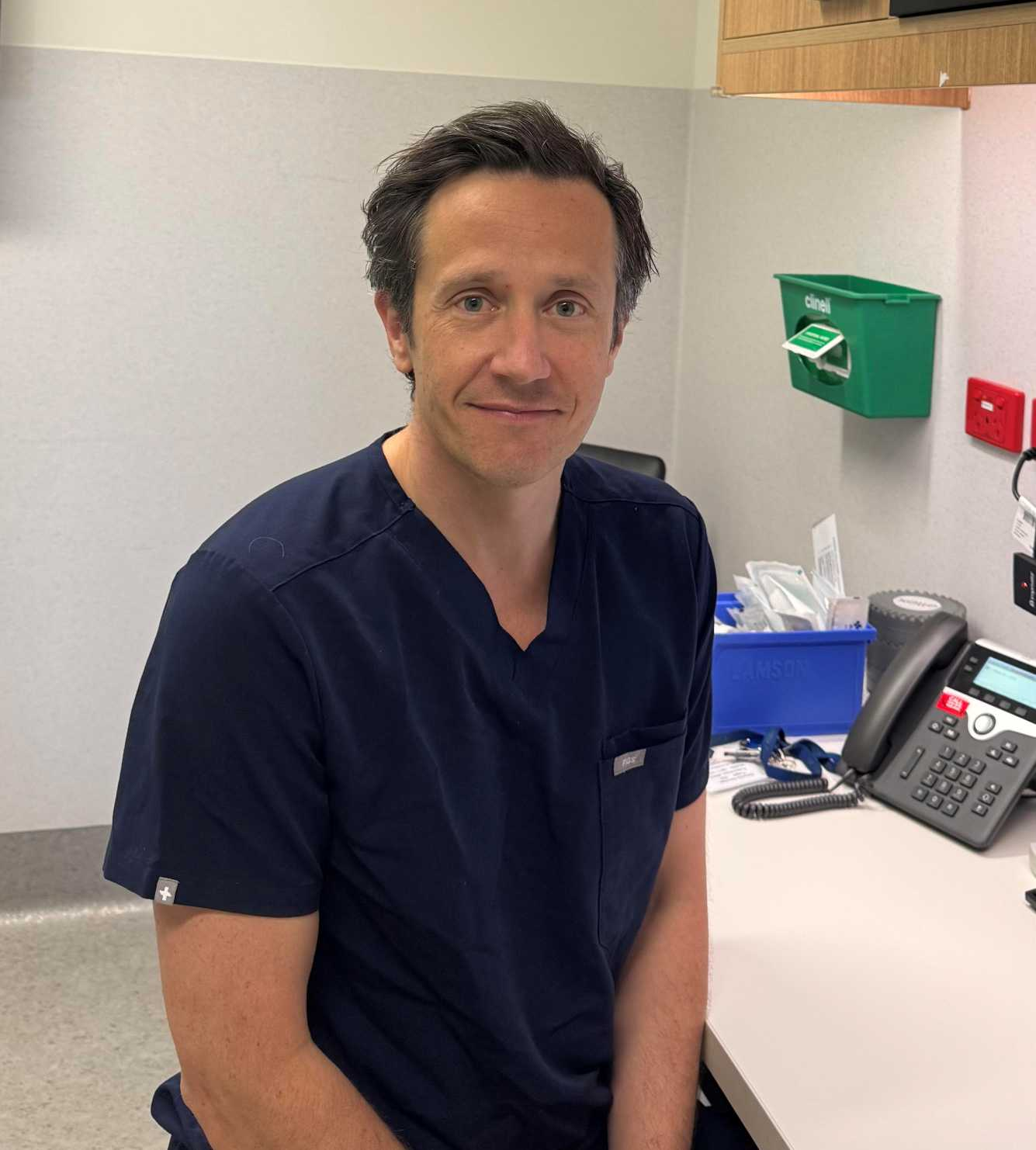
Dr Xavier Fagan
MBBS FRANZCO
Medical Retina & Ocular Inflammatory Disorders
General Ophthalmology
Cataract Surgeon
Dr Fagan is a Melbourne based ophthalmologist. He completed his undergraduate medical degree with honours at The University of Melbourne in 2004. Resident medical years were spent at St. Vincent's Hospital Melbourne and The Royal Melbourne Hospital. Dr Fagan commenced his ophthalmology registrar training at the Royal Victorian Eye and Ear Hospital in 2007 and finished in 2011. This provided comprehensive medical and surgical ophthalmology training. He achieved success in the final examinations by receiving the K G Howsam medal for best performing doctor in Australia and New Zealand. He subsequently undertook 18 months of fellowship training in medical retina and ocular inflammatory disorders at the same institution. As part of this fellowship he has published articles in the medical literature and presented at international and local scientific meetings. As a consultant ophthalmologist, Dr Fagan has a public hospital appointment at the Royal Victorian Eye and Ear Hospital. This involves providing public health care and he is actively involved in training of future colleagues. He has an appointment as a clinical lecturer with The University of Melbourne in the faculty of Medicine, Dentistry and Health Sciences.
Qualifications
- —MBBS (Hons)
- —FRANZCO
Awards
- —K G Howsam Medal — Best Performing Ophthalmology Candidate in Australia and New Zealand
Academic
- —Clinical Lecturer, University of Melbourne
Public Appointments
- —Royal Victorian Eye and Ear Hospital
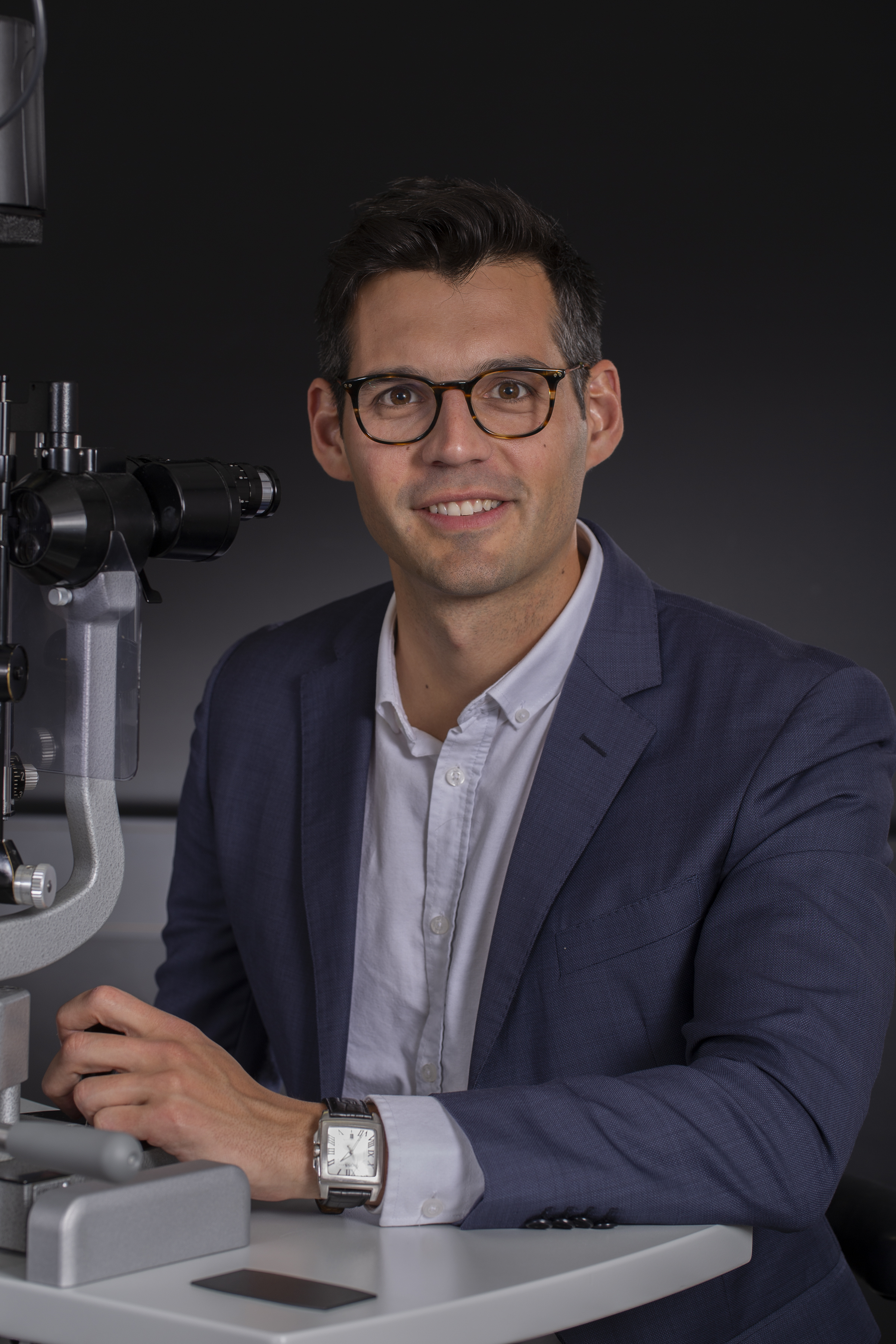
Dr Bernardo Soares
MBBS FRANZCO
Medical & Surgical Glaucoma
General Ophthalmology
Dr Bernardo Soares is an experienced Melbourne Eye Surgeon who specialises in Cataract and Glaucoma Surgeries. Holding public positions at the Glaucoma Unit at the Royal Victorian Eye and Ear Hospital and at Monash Health. He is passionate about complex glaucoma and cataract surgery, ophthalmic teaching and surgical training of future colleagues as well as glaucoma collaborative care. Dr Soares has numerous publications in peer-reviewed journals and constantly presents his work at local and international conferences. He is a Fellow of the Royal Australian and New Zealand College of Ophthalmology, The International Council of Ophthalmology and the Brazilian Council of Ophthalmology.
Qualifications
- —MBBS
- —FRANZCO
- —Fellow, International Council of Ophthalmology
- —Fellow, Brazilian Council of Ophthalmology
Public Appointments
- —Glaucoma Unit, Royal Victorian Eye and Ear Hospital
- —Monash Health

Dr Jonathan Goh
MBBS FRANZCO
Medical Retina
General Ophthalmology
Dr Jonathan Goh is a fellowship trained comprehensive ophthalmologist who sub-specialises in the management of medical retina diseases (diabetic retinopathy, age-related macular degeneration, retinal vein occlusions) whilst also managing general ophthalmic conditions (cataracts, pterygia, chalazia and glaucoma). Dr Goh obtained his medical degree (MBBS, BMedSci), Postgraduate Diploma of Surgical Anatomy (PGDipSurgAnat) and Masters of Surgery (MS) from the University of Melbourne. His Masters of Surgery was awarded for his research in age-related macular degeneration (AMD). He completed his ophthalmology training at the Royal Victorian Eye and Ear Hospital with further subspecialty training in medical retina diseases. Dr Goh has published and presented his findings nationally and internationally in age-related macular degeneration, diabetic retinopathy, and dry-eye disease. Publicly, he works as a consultant ophthalmologist at the Royal Victorian Eye and Ear Hospital, Austin Hospital and Western Health. Dr Goh has a passion for teaching and is actively involved in teaching junior medical staff and is currently the registrar Medical Retina term supervisor at The Royal Victorian Eye and Ear Hospital. He has previously held the Registrar of the Court (2020) position for organising the final ophthalmology examinations that trainees undertake before they are granted their ophthalmology fellowship and recognised as medical specialists.
Qualifications
- —MBBS
- —BMedSci
- —PGDipSurgAnat
- —MS (Surgery)
- —FRANZCO
Academic
- —Masters of Surgery awarded for research in age-related macular degeneration
- —Medical Retina Supervisor, Royal Victorian Eye and Ear Hospital
Public Appointments
- —Royal Victorian Eye and Ear Hospital
- —Austin Hospital
- —Western Health

Dr David Sousa
MBBS FRANZCO
Vitreoretinal Surgery
Dr David Sousa graduated from the Faculty of Medicine of the University of Lisbon in 2013. He completed his Ophthalmology specialty training in Portugal, followed by Vitreoretinal fellowships in Manchester, United Kingdom and Melbourne, Australia. Dr Sousa currently works as a Vitreoretinal Surgeon in Melbourne at The Royal Victorian Eye and Ear Hospital, and in Geelong at the University Hospital and St John of God Hospital. Dr Sousa specialises in the treatment of vitreoretinal conditions including diabetic retinopathy, age-related macular degeneration, retinal detachment, epiretinal membrane, macular hole, and complex lens surgery. Dr Sousa obtained his PhD in 2021 and is currently involved in multiple research projects at Centre for Eye Research Australia, including retinal imaging biomarkers, artificial intelligence, neuroprotection and development of novel surgical devices.
Qualifications
- —MBBS
- —FRANZCO
- —PhD (Centre for Eye Research Australia)
Research
- —Multiple peer-reviewed publications in retinal imaging, artificial intelligence and neuroprotection
- —Regular speaker at international conferences
Public Appointments
- —Royal Victorian Eye and Ear Hospital
- —University Hospital Geelong

Dr Rogan Fraser
B.Sc (Hons), B.Optom, MD, FRANZCO
Neuro-Ophthalmology
General Ophthalmology
Dr Rogan Fraser practices comprehensive, general ophthalmology with an interest in neuro-ophthalmology. He graduated from the University of Melbourne with a Doctor of Medicine in 2015 where he was on the Dean's Honours list. Prior to that, he practised as an optometrist in regional Victoria for a number of years, which is where his passion for personalised compassionate and full scope eyecare was developed and honed. Dr Fraser undertook his ophthalmology training through the Royal Victorian Eye and Ear Hospital, and in his final year was appointed the Chief Registrar. He currently works as a consultant in the Neuro-ophthalmology unit at the Eye and Ear, as well as in that hospital's emergency department. In this capacity he supervises and teaches both ophthalmology and neurology trainees. He is a visiting lecturer for Monash and Deakin universities, and has been a faculty member of surgical, and neuro-ophthalmology conferences throughout Australia. He is a Fellow of the Royal Australian and New Zealand College of Ophthalmologists, and a member of both the Neuro-Ophthalmology Society of Australia, and the UK Neuro-Ophthalmology Society.
Qualifications
- —B.Sc (Hons)
- —B.Optom
- —MD
- —FRANZCO
Academic
- —Visiting Lecturer, Monash University
- —Visiting Lecturer, Deakin University
Professional Memberships
- —Neuro-Ophthalmology Society of Australia
- —UK Neuro-Ophthalmology Society
Public Appointments
- —Neuro-ophthalmology Unit, Royal Victorian Eye and Ear Hospital
- —Emergency Department, Royal Victorian Eye and Ear Hospital
Frequently Asked Questions
How often should people with diabetes have eye checks?
Annual dilated retinal examination is recommended for all people with diabetes. For type 1 diabetes, screening should begin within five years of diagnosis. For type 2 diabetes, screening should begin at the time of diagnosis, as many patients already have early retinopathy when first detected. If retinopathy is present, or if HbA1c or blood pressure is poorly controlled, more frequent review — every three to six months — is recommended. During pregnancy, diabetic retinopathy can progress rapidly and more frequent monitoring is essential.
Can diabetic retinopathy be reversed?
Early diabetic retinopathy (background retinopathy) can stabilise or even partially regress with improved blood glucose control, lower blood pressure, and optimised lipid management. More advanced changes — including established diabetic macular oedema or proliferative retinopathy — cannot be fully reversed, but treatment with anti-VEGF injections or laser can significantly reduce swelling, arrest new vessel growth, and in many cases improve vision. This is why early detection matters: waiting until vision is affected allows more irreversible damage to accumulate.
Are intravitreal injections painful?
Intravitreal injections are performed under topical anaesthetic eye drops and are well tolerated by most patients. Patients typically feel pressure and awareness during the procedure, but not sharp pain. The injection itself takes only a few seconds. Some patients report mild discomfort or a gritty sensation for a few hours afterwards, which settles with lubricating drops. Most patients who require ongoing treatment find the procedure very manageable.
Is diabetic retinopathy treatment covered by Medicare?
Yes. Specialist consultations, OCT scans, retinal photography, and fluorescein angiography all attract Medicare rebates. Anti-VEGF medications used for diabetic macular oedema — including aflibercept (Eylea) and faricimab (Vabysmo) — are available through the Pharmaceutical Benefits Scheme (PBS) for eligible patients with centre-involving diabetic macular oedema, significantly reducing the medication cost. Retinal laser treatment and vitreoretinal surgery are also Medicare-listed. Our team can provide an estimate of any out-of-pocket costs at the time of referral.
What happens if diabetic retinopathy is left untreated?
Untreated diabetic retinopathy can progress through increasingly severe stages. Background retinopathy may advance to proliferative retinopathy, in which fragile new blood vessels grow on the retinal surface. These vessels are prone to bleeding, causing vitreous haemorrhage — a sudden dense loss of vision. They can also cause tractional retinal detachment, a serious sight-threatening complication requiring complex surgery. Diabetic macular oedema, if untreated, causes progressive central vision loss. Regular annual screening and prompt treatment of significant disease can prevent most of these severe outcomes.
Concerned About Diabetic Eye Disease?
Annual eye checks are essential for all people with diabetes. Contact Northern Eye Consultants to arrange a diabetic eye assessment. A referral from your GP, optometrist, or endocrinologist is required.