
Services
Oculoplastic Surgery
Specialist surgical and non-surgical management of eyelid, lacrimal, and orbital conditions by Dr Khami Satchi — trained at Cambridge, Oxford, and Moorfields Eye Hospital London.
What is Oculoplastic Surgery?
Oculoplastic surgery (also called ophthalmic plastic and reconstructive surgery) is a subspecialty that focuses on the eyelids, tear drainage system (lacrimal system), orbit (eye socket), and the surrounding facial structures. Procedures may be performed for functional or cosmetic reasons — often both.
Dr Khami Satchi's practice is exclusively focused on oculoplastic and lacrimal disorders. She does not manage general ophthalmology referrals. Referrals should be directed specifically for oculoplastic conditions as listed below.
Conditions Treated
Ptosis
Drooping of the upper eyelid due to weakness of the levator muscle. Can affect vision, cause headaches from brow strain, and have cosmetic impact. Corrected surgically by tightening or reattaching the levator muscle.
Ectropion
Outward turning of the lower eyelid, causing the eye surface to be exposed. Results in watering, redness, and irritation. Surgical repair repositions the eyelid against the eye.
Entropion
Inward turning of the eyelid causing the eyelashes to rub against the cornea. Can cause significant pain, corneal scarring, and infection. Surgical correction is usually required.
Blepharoplasty
Surgical removal of excess skin and fat from the upper or lower eyelids. May be functional (when excess upper lid skin obscures vision) or cosmetic. Upper lid blepharoplasty is one of the most commonly performed oculoplastic procedures.
Periocular Skin Tumours
Basal cell carcinoma (BCC), squamous cell carcinoma (SCC), sebaceous carcinoma, and melanoma can all affect the eyelids and periocular skin. Surgical excision with careful reconstruction to preserve eyelid function and appearance.
Tear Duct Surgery (DCR)
Nasolacrimal duct obstruction causes persistent watering and recurrent infections. Dacryocystorhinostomy (DCR) — performed via an endonasal (endoscopic) approach — creates a new drainage pathway from the tear sac to the nasal cavity, eliminating the blockage.
Also Treated
- Lacrimal gland disorders
- Epiphora (watery eye)
- Canalicular obstruction
- Eyelid retraction
- Dermatochalasis (excess eyelid skin)
- Chalazion (eyelid cysts)
- Orbital fat prolapse
Important Note for Referrers
Dr Satchi's practice is exclusively focused on oculoplastic and lacrimal orbital disorders. She does not accept referrals for general ophthalmology conditions. Please refer specifically for an oculoplastic or lacrimal indication.
Refer to Dr Satchi
GP and optometrist referrals are welcome for oculoplastic and lacrimal conditions.
Make an AppointmentOur Oculoplastic Surgeon
Dr Khami Satchi is a highly trained oculoplastic and lacrimal surgeon with fellowship training at Moorfields Eye Hospital, London and the Royal Victorian Eye and Ear Hospital, Melbourne.
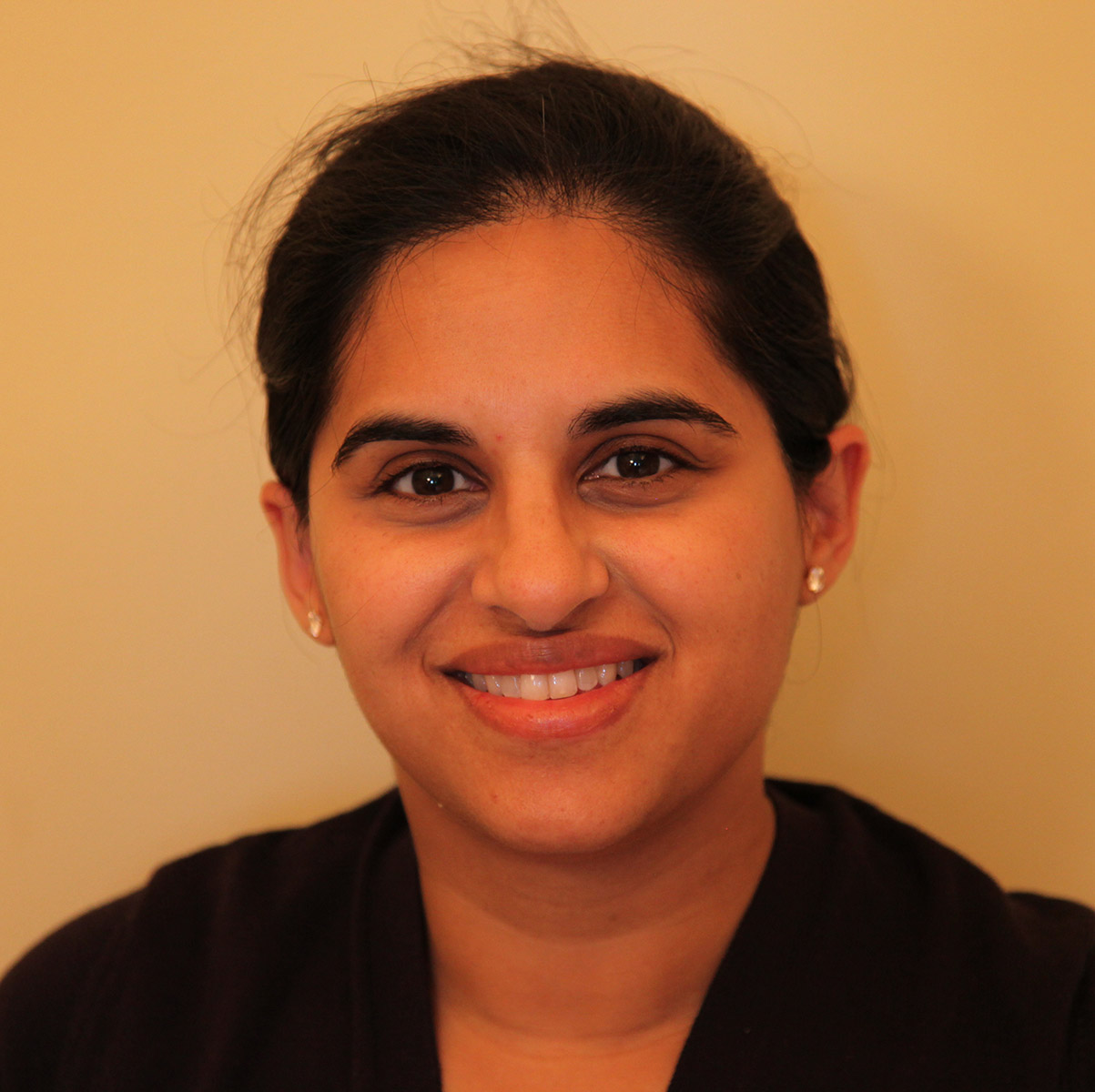
Dr Khami Satchi
MBBS FRANZCO
Oculoplastic & Lacrimal Surgery
Dr Khami Satchi received her basic medical training in the United Kingdom, graduating from Cambridge University with a Distinction in Surgery. She then undertook eight years of general ophthalmology training, with her registrar training based at Oxford Eye Hospital. Dr Satchi developed a special interest in oculoplastic and lacrimal ophthalmology, leading to her first coming to Melbourne to be Fellow in the Orbital, Oculoplastic and Lacrimal Clinic at the Eye and Ear Hospital in Melbourne. She then returned to the UK to be Fellow in the Orbital, Oculoplastic and Lacrimal Unit at Moorfields Eye Hospital, London. Dr Satchi moved to Australia in 2011 and was appointed as a Specialist Consultant to the Orbital, Oculoplastic and Lacrimal Clinic at the Eye and Ear Hospital. She maintains an active interest in academic research and in teaching. She has published over twenty articles in the peer-reviewed medical literature, and she has presented papers at local and international scientific meetings. Dr Satchi specialises in oculoplastic and lacrimal surgery including ectropion, entropion, ptosis, periocular skin tumours, blepharoplasty and tear duct surgery (including endonasal DCR). Her practice is focussed on oculoplastic and lacrimal orbital disorders, and she does not otherwise manage general ophthalmology referrals. Dr Satchi is a Fellow of the Royal Australian and New Zealand College of Ophthalmologists and a Fellow of the Australian and New Zealand Society of Ophthalmic Plastic Surgeons.
Qualifications
- —MA (Hons) Cambridge
- —MBBChir
- —FRANZCO
- —ANZSOPS
Fellowships
- —Oxford Eye Hospital
- —Royal Victorian Eye and Ear Hospital
- —Moorfields Eye Hospital, London
Public Appointments
- —Orbital, Oculoplastic and Lacrimal Clinic, Royal Victorian Eye and Ear Hospital
Frequently Asked Questions
Is eyelid surgery (blepharoplasty) covered by Medicare?
Upper eyelid blepharoplasty may be covered by Medicare if the excess skin is causing a functional problem — for example, if it is drooping into your visual field and affecting your vision or causing brow strain. A visual field assessment and photography are usually required to document the functional impairment. Purely cosmetic blepharoplasty is not Medicare-rebateable. Dr Satchi will advise you on your entitlements at your consultation.
My eyelid has been drooping for years — is ptosis surgery worth having?
Ptosis (drooping of the upper eyelid) can affect both appearance and function. Many patients notice they need to raise their brows to keep their eyelids open, which causes headaches and brow fatigue. Ptosis repair — which tightens or reattaches the muscle that lifts the lid — is a straightforward procedure with a high success rate. Most patients notice an immediate improvement in their field of view and find the cosmetic result very satisfying.
My eye keeps watering — can that be fixed?
Persistent watery eye (epiphora) is often caused by a blockage in the tear drainage system (nasolacrimal duct obstruction). This can be corrected with a procedure called DCR (dacryocystorhinostomy), in which a new drainage pathway is created from the tear sac to the inside of the nose. Dr Satchi performs this procedure using an endonasal (keyhole) approach, which leaves no visible scar on the skin. Recovery is usually straightforward.
How long does recovery take after oculoplastic surgery?
Most oculoplastic procedures are performed as day surgery. Swelling and bruising around the eyelids typically peaks at 48–72 hours and settles over 2–3 weeks. Most patients can return to light activity within a week, though strenuous activity should be avoided for 2–4 weeks depending on the procedure. Dr Satchi will give you specific post-operative instructions based on what was performed.
I have a lump on my eyelid — does it need to be removed?
Not all eyelid lumps require removal. Chalazions (eyelid cysts) often resolve on their own or with warm compresses, but persistent or recurrent ones may need to be drained. Any rapidly growing, bleeding, or ulcerated lesion should be assessed promptly as it may represent a skin cancer such as a basal cell carcinoma (BCC). Dr Satchi can assess the lesion and advise on the most appropriate management.
Refer to Our Oculoplastic Surgeon
Dr Satchi welcomes referrals for oculoplastic and lacrimal conditions. Please note her practice does not include general ophthalmology.