Services
Laser Vision Correction Melbourne
Corneal laser surgery and refractive lens exchange to reduce or eliminate your dependence on glasses and contact lenses.
What is Refractive Surgery?
Refractive surgery refers to a group of procedures that correct refractive errors — the conditions that cause blurry vision requiring glasses or contact lenses. These include myopia (short-sightedness), hyperopia (long-sightedness), astigmatism, and presbyopia (age-related reading difficulty).
Modern refractive surgery can achieve excellent visual outcomes for appropriately selected patients. The right procedure depends on your prescription, corneal anatomy, age, and lifestyle. A thorough pre-operative assessment is essential to ensure you are a suitable candidate.
Who is a Candidate?
You may be a candidate for refractive surgery if you:
- Are aged 21 or older with a stable prescription for at least 12 months
- Have adequate corneal thickness (for laser procedures)
- Have no significant corneal disease such as keratoconus
- Have healthy eyes with no other conditions affecting vision
- Have realistic expectations about the likely outcomes
- Do not suffer from severe dry eye disease
Pre-operative Assessment Includes
- Detailed corneal topography and tomography
- Corneal thickness measurement
- Dry eye evaluation
- Pupil size measurement
- Wavefront aberrometry
- Full dilated eye examination
Interested in refractive surgery?
A GP or optometrist referral is required to see Dr MacIntyre for a refractive surgery assessment.
Make an AppointmentRefractive Surgery Options
LASIK
Laser In Situ Keratomileusis
LASIK is the most commonly performed refractive procedure worldwide. A thin corneal flap is created, the underlying corneal tissue is reshaped with an excimer laser to correct the refractive error, and the flap is replaced. Recovery is rapid, with most patients achieving excellent vision within 24–48 hours.
Best suited for: Most myopia, hyperopia, and astigmatism; adequate corneal thickness required
PRK / LASEK
Surface Laser Treatment
PRK (Photorefractive Keratectomy) and LASEK treat the corneal surface without creating a flap. The laser reshapes the cornea after the surface epithelium is removed. Recovery takes longer than LASIK (typically 1–2 weeks), but PRK is preferred for patients with thin corneas or occupations at risk of eye trauma.
Best suited for: Thin corneas, certain occupations, lower prescriptions
SMILE
Small Incision Lenticule Extraction
SMILE is a flapless laser procedure in which a small disc of corneal tissue (lenticule) is created and removed through a small incision. As no flap is created, there is less disruption to corneal nerves, potentially resulting in less dry eye. A good option for myopia with or without astigmatism.
Best suited for: Myopia and myopic astigmatism; flapless procedure
Refractive Lens Exchange (RLE)
Clear Lens Extraction
RLE involves removing the natural crystalline lens and replacing it with an artificial intraocular lens — identical to cataract surgery, but performed before a cataract forms. Ideal for patients over 45 with presbyopia or high prescriptions unsuitable for laser, as it corrects both distance and reading vision using premium lens implants.
Best suited for: Presbyopia, high prescriptions, patients unsuitable for laser
Phakic IOL (ICL)
Implantable Collamer Lens
A small lens is implanted inside the eye in front of the natural lens, without removing it. Ideal for patients with high myopia or corneas too thin for laser surgery. The ICL can be removed if needed. Preserves excellent quality of vision and does not cause dry eye.
Best suited for: High myopia, thin corneas, young patients
Our Refractive Surgery Specialist
Dr Ross MacIntyre is an internationally trained corneal and refractive surgeon with fellowship training at the Wilmer Eye Institute at Johns Hopkins and the Royal Victorian Eye and Ear Hospital.
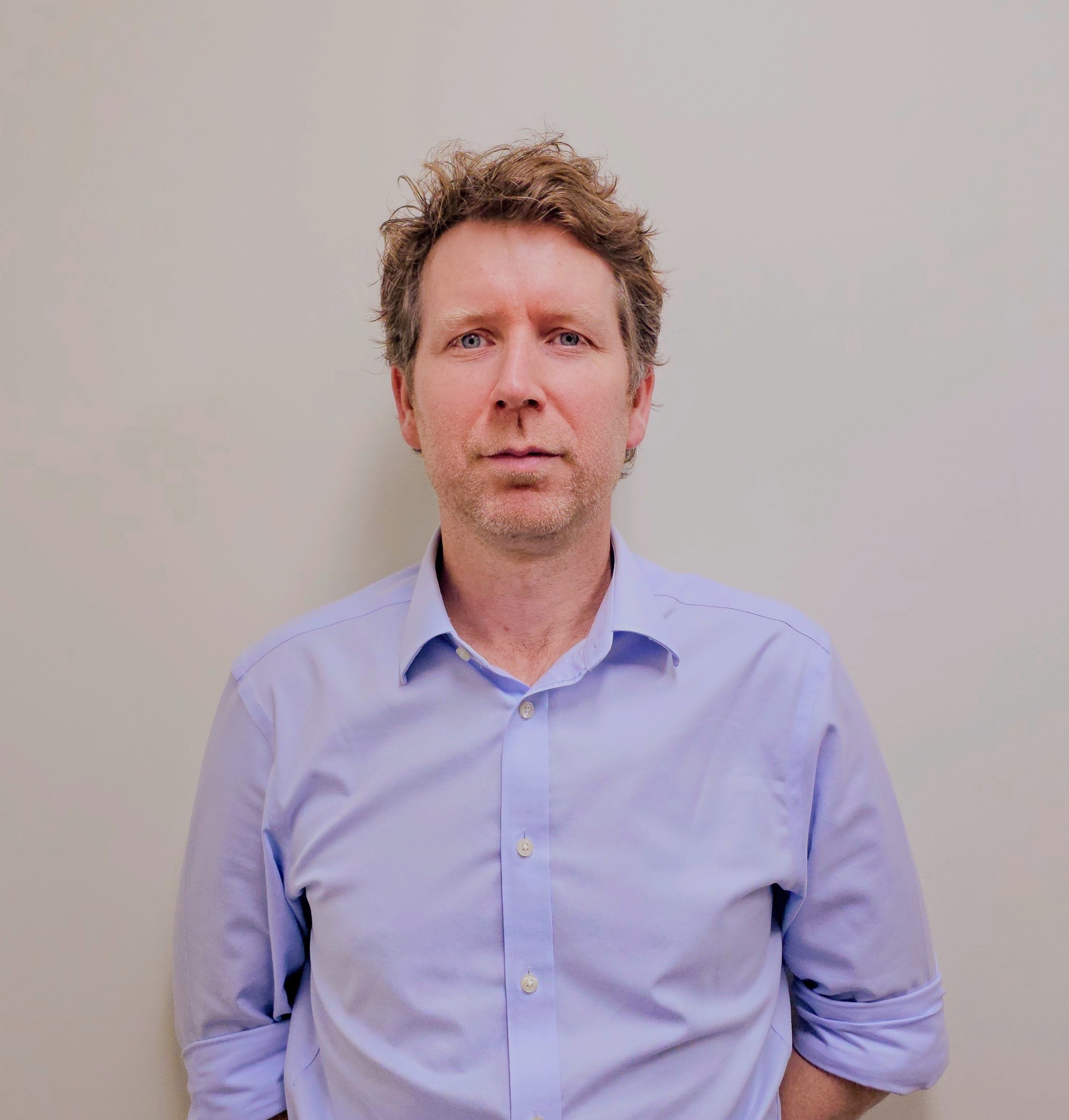
Dr Ross MacIntyre
BA (Chemistry), MD, FRANZCO
Corneal, Cataract & Refractive Surgery
General Ophthalmology
Cataract Surgeon
Dr MacIntyre is an internationally trained expert in the area of corneal, cataract and refractive surgery. Dr MacIntyre completed his Bachelor of Arts degree in chemistry with Honours at Colgate University in New York, and his Doctor of Medicine with Honours at New York Medical College. After a transitional internship at Columbia University he completed his registrar training in ophthalmology at Brown University. He subsequently undertook subspecialty fellowship training in cornea, complex cataract, and refractive surgery at the Wilmer Eye Institute at Johns Hopkins in Baltimore. He pursued further training as a cornea fellow at the Royal Victorian Eye and Ear Hospital in Melbourne. During his training he has published articles in the medical literature and presented at both international and local scientific meetings. He is a diplomat of the American Board of Ophthalmology, a member of the Alpha Omega Alpha Honour Medical Society in the United States, and a fellow of the Royal Australian and New Zealand College of Ophthalmologists. Dr MacIntyre is a staff specialist at the Royal Victorian Eye and Ear Hospital, where he trains registrars and fellows, and provides public health care. He specialises in medical disease of the cornea and corneal transplant surgery. Dr MacIntyre has performed over 7,000 cataract surgeries performed over more than 20 years using phacoemulsification technique since 2007 and trains ophthalmology registrars and fellows. For patients wanting to understand what to expect at a cataract surgery consultation, Dr MacIntyre has written a detailed guide at drmacintyre.com.
Qualifications
- —BA (Chemistry)
- —MD
- —Diplomate American Board of Ophthalmology
- —FRANZCO
Fellowships
- —Wilmer Eye Institute, Johns Hopkins University
- —Royal Victorian Eye and Ear Hospital
Surgical Volume
- —over 7,000 cataract surgeries performed over more than 20 years using phacoemulsification technique since 2007
- —10,000+ ophthalmic surgical procedures performed
Professional Memberships
- —Royal Australian and New Zealand College of Ophthalmologists (RANZCO)
- —American Academy of Ophthalmology
- —American Society of Cataract and Refractive Surgery
- —European Society of Cataract and Refractive Surgery
- —Cornea and Contact Lens Society of Australia
- —Alpha Omega Alpha Medical Honour Society (AOA)
Public Appointments
- —Staff Specialist, Royal Victorian Eye and Ear Hospital
Frequently Asked Questions
Am I suitable for LASIK?
LASIK is suitable for most adults aged 21 or older with a stable prescription for at least 12 months, adequate corneal thickness, and no corneal disease such as keratoconus. It is not suitable for patients with significant dry eye, very thin corneas, or certain other eye conditions. A thorough pre-operative assessment with Dr MacIntyre is required to determine your suitability.
Is refractive surgery covered by Medicare or private health insurance?
Laser refractive surgery (LASIK, PRK, SMILE) is considered elective and is not covered by Medicare or private health insurance in Australia. The pre-operative consultation and assessment may attract a Medicare rebate. Refractive Lens Exchange (RLE) may attract some insurance benefits in certain circumstances. Dr MacIntyre will discuss costs at your consultation.
What is the difference between LASIK and PRK?
Both LASIK and PRK use an excimer laser to reshape the cornea and correct your prescription. The main difference is the approach: LASIK involves creating a thin flap in the cornea before laser treatment, resulting in a faster recovery (typically 24–48 hours). PRK treats the corneal surface directly without a flap, and recovery takes 1–2 weeks, but PRK is preferred for patients with thin corneas or certain occupational requirements. The long-term visual outcomes are similar.
What is Refractive Lens Exchange (RLE)?
Refractive Lens Exchange (RLE) — also called clear lens extraction — involves removing the natural crystalline lens of the eye and replacing it with an artificial intraocular lens (IOL). It is essentially the same procedure as cataract surgery but performed before a cataract develops. RLE is ideal for patients over 45 with presbyopia, or those with high prescriptions who are unsuitable for laser surgery. Premium lens implants can correct both distance and reading vision.
Is LASIK permanent?
LASIK permanently reshapes the cornea and the correction achieved is lasting. However, the eye can continue to change with age — particularly after 40, when presbyopia (age-related reading difficulty) develops. Some patients experience minor prescription drift over many years. A small number require a laser enhancement procedure. LASIK does not prevent cataracts from forming later in life, which would be treated separately.
We serve patients from across Melbourne's north, including:
Complete Refractive Surgery Guide
For detailed clinical information on LASIK, PRK, SMILE, and refractive lens exchange, see Dr MacIntyre's procedure guide on corneaeyedoctor.com.
Complete refractive surgery guide ↗
LASIK, PRK, SMILE, and RLE — candidacy criteria, technique comparisons, risks, and recovery timelines.
Interested in Life Without Glasses?
Contact us to arrange a refractive surgery assessment with Dr MacIntyre. A referral from your GP or optometrist is required.