
Services
Cataract Surgery Melbourne
State-of-the-art cataract surgery with premium lens implant options, performed by FRANZCO specialist ophthalmologists at Northpark Hospital — Melbourne's north.
Cataract Surgery in Melbourne
Northern Eye Consultants provides cataract surgery at Northpark Private Hospital, Bundoora, for patients across Melbourne's northern suburbs and regional Victoria. Our team of seven FRANZCO-qualified ophthalmologists performs over 1,000 cataract surgeries annually. Medicare rebates apply and private health insurance is accepted. A GP or optometrist referral is required to book an assessment.
What is a Cataract?
A cataract is a clouding of the eye's natural lens, which lies behind the iris and pupil. The lens is normally clear and helps focus light onto the retina. As we age, proteins within the lens break down and clump together, causing the lens to become progressively opaque.
Cataracts are the leading cause of reversible vision loss worldwide. They are extremely common — by age 75, most Australians will have some degree of cataract formation.
Symptoms of Cataracts
- Blurry, cloudy, or foggy vision
- Increased sensitivity to glare and halos around lights, especially at night
- Faded or yellowed colours
- Frequent changes in glasses or contact lens prescription
- Double vision in one eye
- Difficulty reading or seeing fine detail
- Difficulty driving at night
Quick Facts
- Procedure
- Day surgery — no overnight stay
- Duration
- 10–20 minutes per eye
- Anaesthesia
- Topical (eye drops) with sedation (twilight anaesthesia)
- Recovery
- Vision improves within days
- Final vision
- 4–6 weeks after surgery
- Location
- Northpark Hospital, Bundoora
Ready to discuss cataract surgery?
A referral from your GP or optometrist is required.
Make an AppointmentCataract Surgery: The Surgical Process
Pre-operative Assessment
Detailed measurements of your eye are taken to calculate the power of the lens implant. Your overall eye health is assessed and any questions are answered.
The Operation
Using a technique called phacoemulsification, a tiny incision is made. Ultrasound energy gently breaks up the cloudy lens, which is removed by suction. A foldable artificial lens is then inserted through the same small incision.
Recovery
Most patients notice improved vision within 24–48 hours. Eye drops are used for 4–6 weeks. Final vision stabilises at 4–6 weeks, at which point updated glasses can be prescribed if required.
For more information about what cataract surgery involves, see our patient guides in the NEC blog.
Lens Implant Options
When the natural lens is removed, it is replaced with an artificial intraocular lens (IOL). We offer a range of premium lens options to best suit your lifestyle and visual needs.
Monofocal IOL
The standard lens option. Provides excellent vision at one distance (usually distance). Reading glasses are typically still required for near tasks.
Toric IOL
Corrects pre-existing astigmatism, reducing or eliminating the need for glasses for distance vision. Recommended for patients with significant corneal astigmatism.
Multifocal IOL
Provides vision at multiple distances — near, intermediate, and far — reducing or eliminating the need for reading glasses. Best suited to motivated patients with healthy eyes.
Extended Depth of Focus (EDOF)
Provides a continuous range of vision from distance to intermediate, with fewer halos than traditional multifocal lenses. A good choice for patients who spend significant time on computers.
Our Cataract Surgeons
All of our ophthalmologists perform cataract surgery. Each holds full FRANZCO Fellowship and has extensive surgical experience.

Dr Ross MacIntyre
BA (Chemistry), MD, FRANZCO
Corneal, Cataract & Refractive Surgery
General Ophthalmology
Cataract Surgeon
Dr MacIntyre is an internationally trained expert in the area of corneal, cataract and refractive surgery. Dr MacIntyre completed his Bachelor of Arts degree in chemistry with Honours at Colgate University in New York, and his Doctor of Medicine with Honours at New York Medical College. After a transitional internship at Columbia University he completed his registrar training in ophthalmology at Brown University. He subsequently undertook subspecialty fellowship training in cornea, complex cataract, and refractive surgery at the Wilmer Eye Institute at Johns Hopkins in Baltimore. He pursued further training as a cornea fellow at the Royal Victorian Eye and Ear Hospital in Melbourne. During his training he has published articles in the medical literature and presented at both international and local scientific meetings. He is a diplomat of the American Board of Ophthalmology, a member of the Alpha Omega Alpha Honour Medical Society in the United States, and a fellow of the Royal Australian and New Zealand College of Ophthalmologists. Dr MacIntyre is a staff specialist at the Royal Victorian Eye and Ear Hospital, where he trains registrars and fellows, and provides public health care. He specialises in medical disease of the cornea and corneal transplant surgery. Dr MacIntyre has performed over 7,000 cataract surgeries performed over more than 20 years using phacoemulsification technique since 2007 and trains ophthalmology registrars and fellows. For patients wanting to understand what to expect at a cataract surgery consultation, Dr MacIntyre has written a detailed guide at drmacintyre.com.
Qualifications
- —BA (Chemistry)
- —MD
- —Diplomate American Board of Ophthalmology
- —FRANZCO
Fellowships
- —Wilmer Eye Institute, Johns Hopkins University
- —Royal Victorian Eye and Ear Hospital
Surgical Volume
- —over 7,000 cataract surgeries performed over more than 20 years using phacoemulsification technique since 2007
- —10,000+ ophthalmic surgical procedures performed
Professional Memberships
- —Royal Australian and New Zealand College of Ophthalmologists (RANZCO)
- —American Academy of Ophthalmology
- —American Society of Cataract and Refractive Surgery
- —European Society of Cataract and Refractive Surgery
- —Cornea and Contact Lens Society of Australia
- —Alpha Omega Alpha Medical Honour Society (AOA)
Public Appointments
- —Staff Specialist, Royal Victorian Eye and Ear Hospital
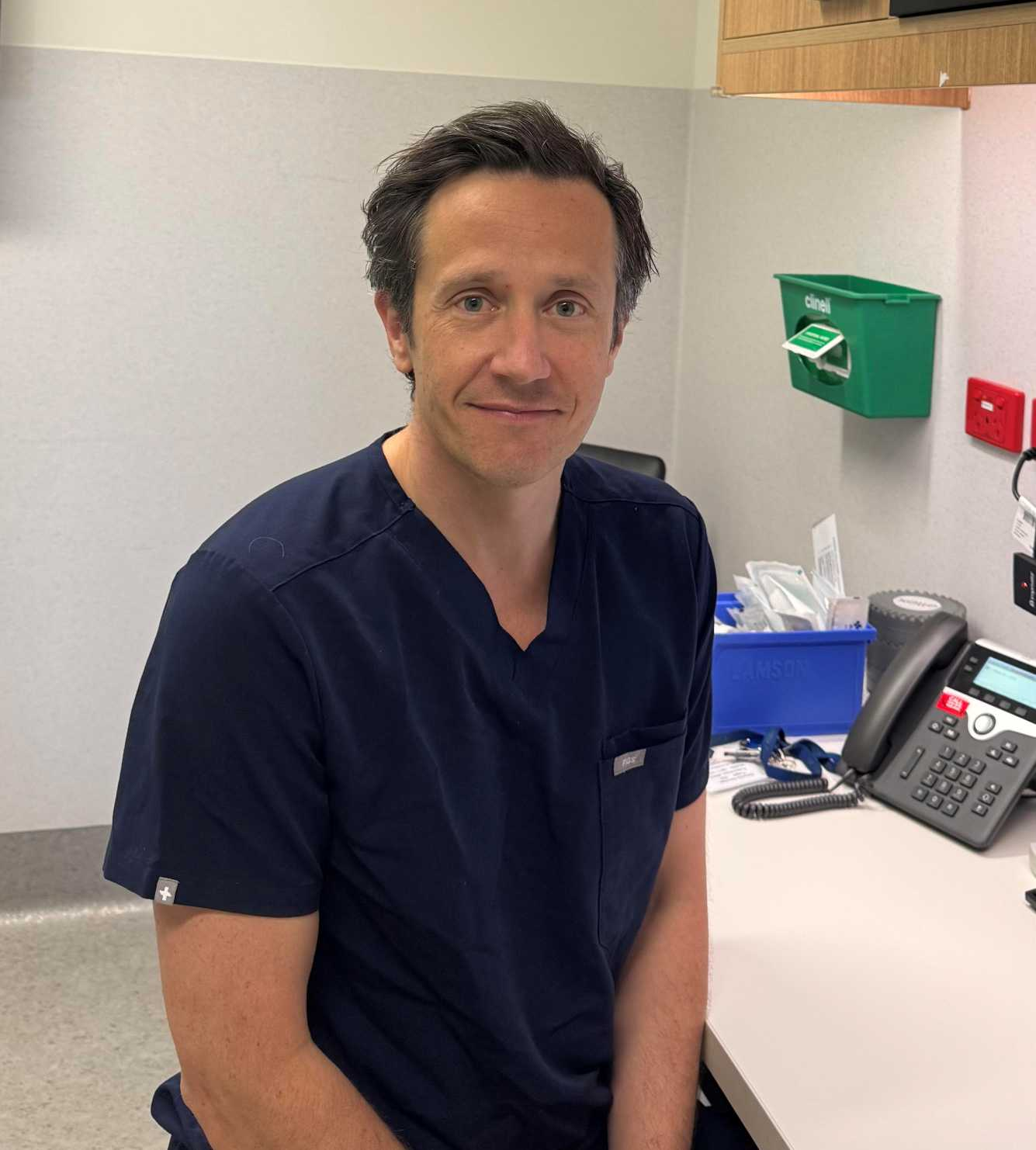
Dr Xavier Fagan
MBBS FRANZCO
Medical Retina & Ocular Inflammatory Disorders
General Ophthalmology
Cataract Surgeon
Dr Fagan is a Melbourne based ophthalmologist. He completed his undergraduate medical degree with honours at The University of Melbourne in 2004. Resident medical years were spent at St. Vincent's Hospital Melbourne and The Royal Melbourne Hospital. Dr Fagan commenced his ophthalmology registrar training at the Royal Victorian Eye and Ear Hospital in 2007 and finished in 2011. This provided comprehensive medical and surgical ophthalmology training. He achieved success in the final examinations by receiving the K G Howsam medal for best performing doctor in Australia and New Zealand. He subsequently undertook 18 months of fellowship training in medical retina and ocular inflammatory disorders at the same institution. As part of this fellowship he has published articles in the medical literature and presented at international and local scientific meetings. As a consultant ophthalmologist, Dr Fagan has a public hospital appointment at the Royal Victorian Eye and Ear Hospital. This involves providing public health care and he is actively involved in training of future colleagues. He has an appointment as a clinical lecturer with The University of Melbourne in the faculty of Medicine, Dentistry and Health Sciences.
Qualifications
- —MBBS (Hons)
- —FRANZCO
Awards
- —K G Howsam Medal — Best Performing Ophthalmology Candidate in Australia and New Zealand
Academic
- —Clinical Lecturer, University of Melbourne
Public Appointments
- —Royal Victorian Eye and Ear Hospital
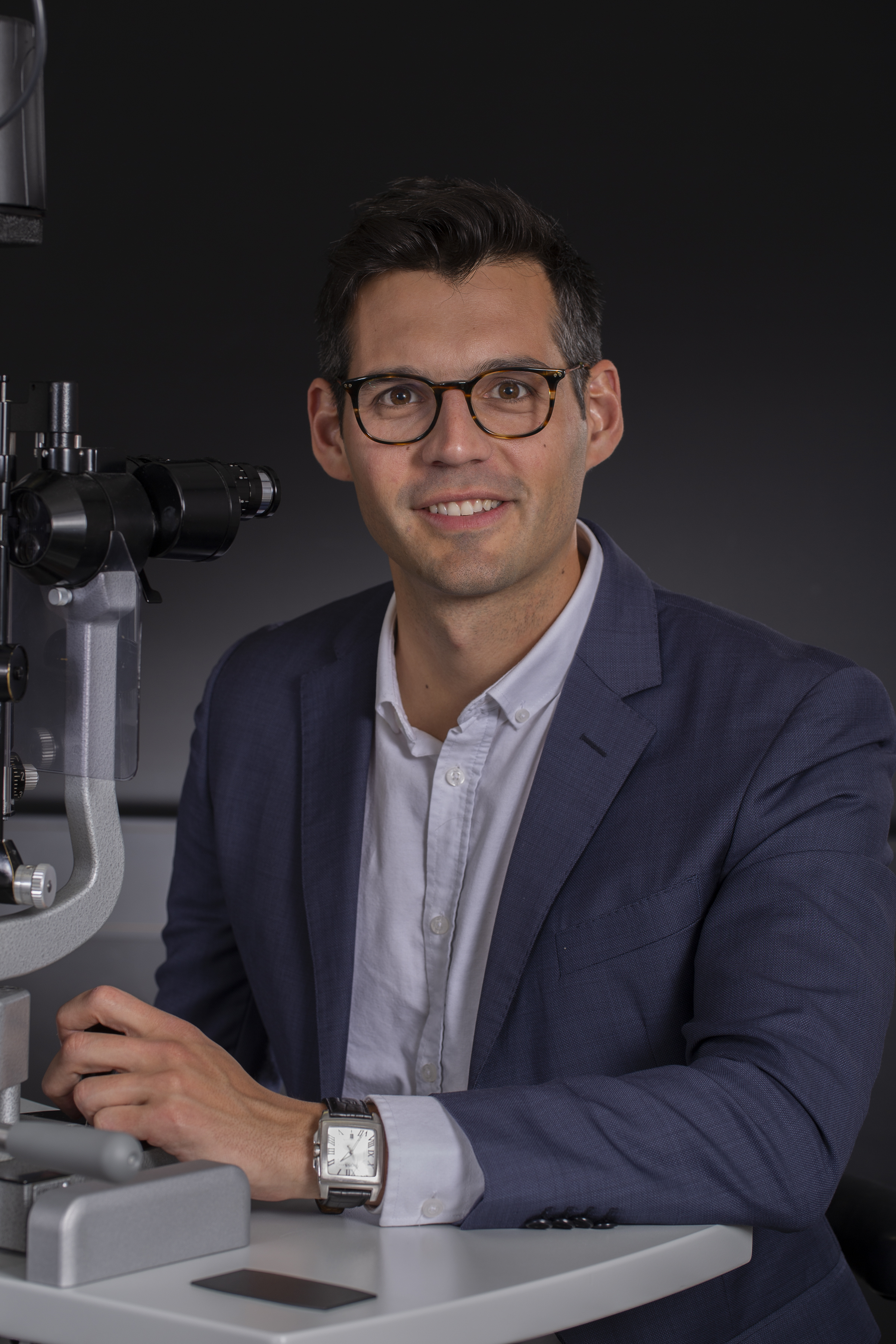
Dr Bernardo Soares
MBBS FRANZCO
Medical & Surgical Glaucoma
General Ophthalmology
Dr Bernardo Soares is an experienced Melbourne Eye Surgeon who specialises in Cataract and Glaucoma Surgeries. Holding public positions at the Glaucoma Unit at the Royal Victorian Eye and Ear Hospital and at Monash Health. He is passionate about complex glaucoma and cataract surgery, ophthalmic teaching and surgical training of future colleagues as well as glaucoma collaborative care. Dr Soares has numerous publications in peer-reviewed journals and constantly presents his work at local and international conferences. He is a Fellow of the Royal Australian and New Zealand College of Ophthalmology, The International Council of Ophthalmology and the Brazilian Council of Ophthalmology.
Qualifications
- —MBBS
- —FRANZCO
- —Fellow, International Council of Ophthalmology
- —Fellow, Brazilian Council of Ophthalmology
Public Appointments
- —Glaucoma Unit, Royal Victorian Eye and Ear Hospital
- —Monash Health

Dr Jonathan Goh
MBBS FRANZCO
Medical Retina
General Ophthalmology
Dr Jonathan Goh is a fellowship trained comprehensive ophthalmologist who sub-specialises in the management of medical retina diseases (diabetic retinopathy, age-related macular degeneration, retinal vein occlusions) whilst also managing general ophthalmic conditions (cataracts, pterygia, chalazia and glaucoma). Dr Goh obtained his medical degree (MBBS, BMedSci), Postgraduate Diploma of Surgical Anatomy (PGDipSurgAnat) and Masters of Surgery (MS) from the University of Melbourne. His Masters of Surgery was awarded for his research in age-related macular degeneration (AMD). He completed his ophthalmology training at the Royal Victorian Eye and Ear Hospital with further subspecialty training in medical retina diseases. Dr Goh has published and presented his findings nationally and internationally in age-related macular degeneration, diabetic retinopathy, and dry-eye disease. Publicly, he works as a consultant ophthalmologist at the Royal Victorian Eye and Ear Hospital, Austin Hospital and Western Health. Dr Goh has a passion for teaching and is actively involved in teaching junior medical staff and is currently the registrar Medical Retina term supervisor at The Royal Victorian Eye and Ear Hospital. He has previously held the Registrar of the Court (2020) position for organising the final ophthalmology examinations that trainees undertake before they are granted their ophthalmology fellowship and recognised as medical specialists.
Qualifications
- —MBBS
- —BMedSci
- —PGDipSurgAnat
- —MS (Surgery)
- —FRANZCO
Academic
- —Masters of Surgery awarded for research in age-related macular degeneration
- —Medical Retina Supervisor, Royal Victorian Eye and Ear Hospital
Public Appointments
- —Royal Victorian Eye and Ear Hospital
- —Austin Hospital
- —Western Health
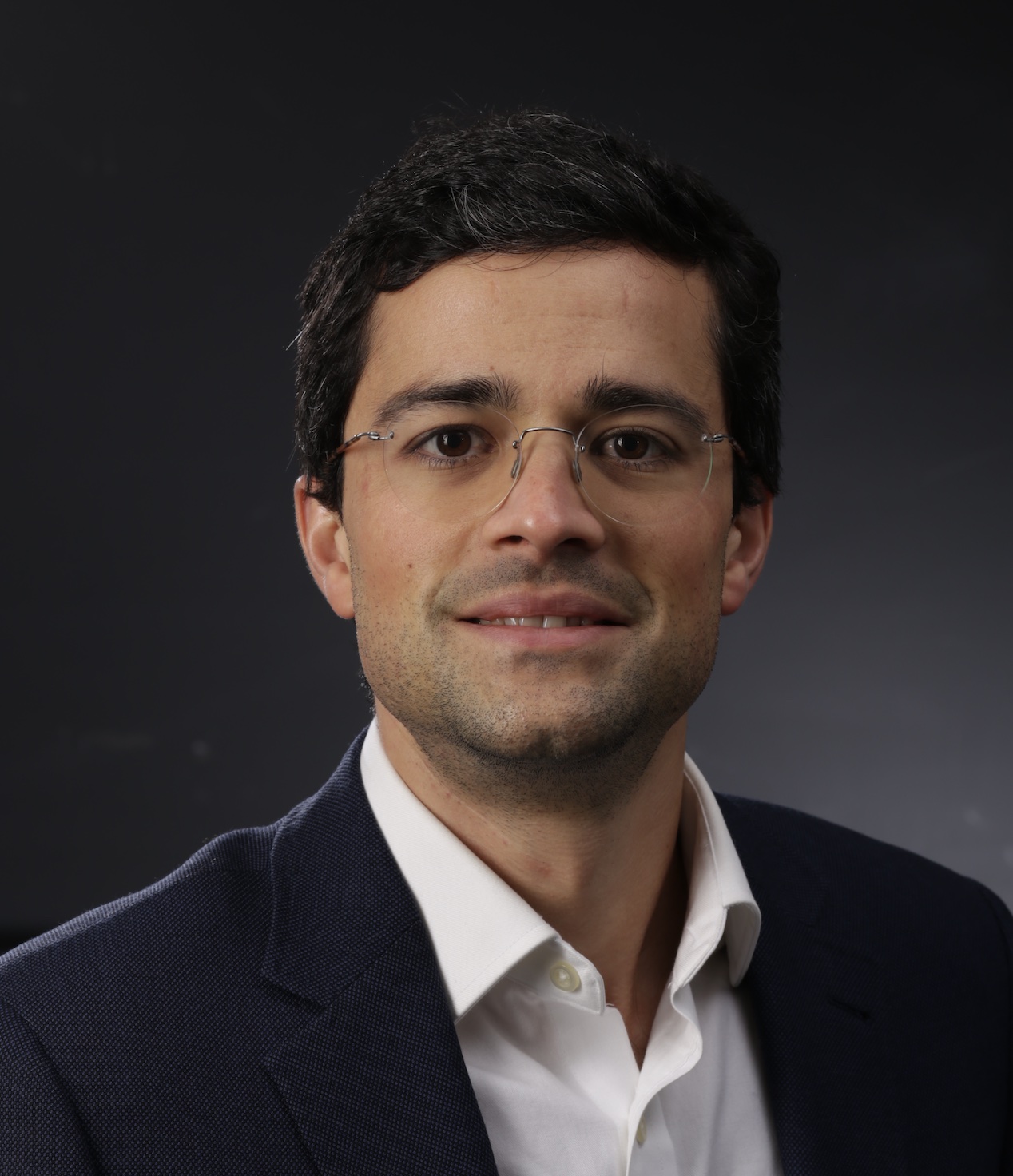
Dr David Sousa
MBBS FRANZCO
Vitreoretinal Surgery
Dr David Sousa graduated from the Faculty of Medicine of the University of Lisbon in 2013. He completed his Ophthalmology specialty training in Portugal, followed by Vitreoretinal fellowships in Manchester, United Kingdom and Melbourne, Australia. Dr Sousa currently works as a Vitreoretinal Surgeon in Melbourne at The Royal Victorian Eye and Ear Hospital, and in Geelong at the University Hospital and St John of God Hospital. Dr Sousa specialises in the treatment of vitreoretinal conditions including diabetic retinopathy, age-related macular degeneration, retinal detachment, epiretinal membrane, macular hole, and complex lens surgery. Dr Sousa obtained his PhD in 2021 and is currently involved in multiple research projects at Centre for Eye Research Australia, including retinal imaging biomarkers, artificial intelligence, neuroprotection and development of novel surgical devices.
Qualifications
- —MBBS
- —FRANZCO
- —PhD (Centre for Eye Research Australia)
Research
- —Multiple peer-reviewed publications in retinal imaging, artificial intelligence and neuroprotection
- —Regular speaker at international conferences
Public Appointments
- —Royal Victorian Eye and Ear Hospital
- —University Hospital Geelong
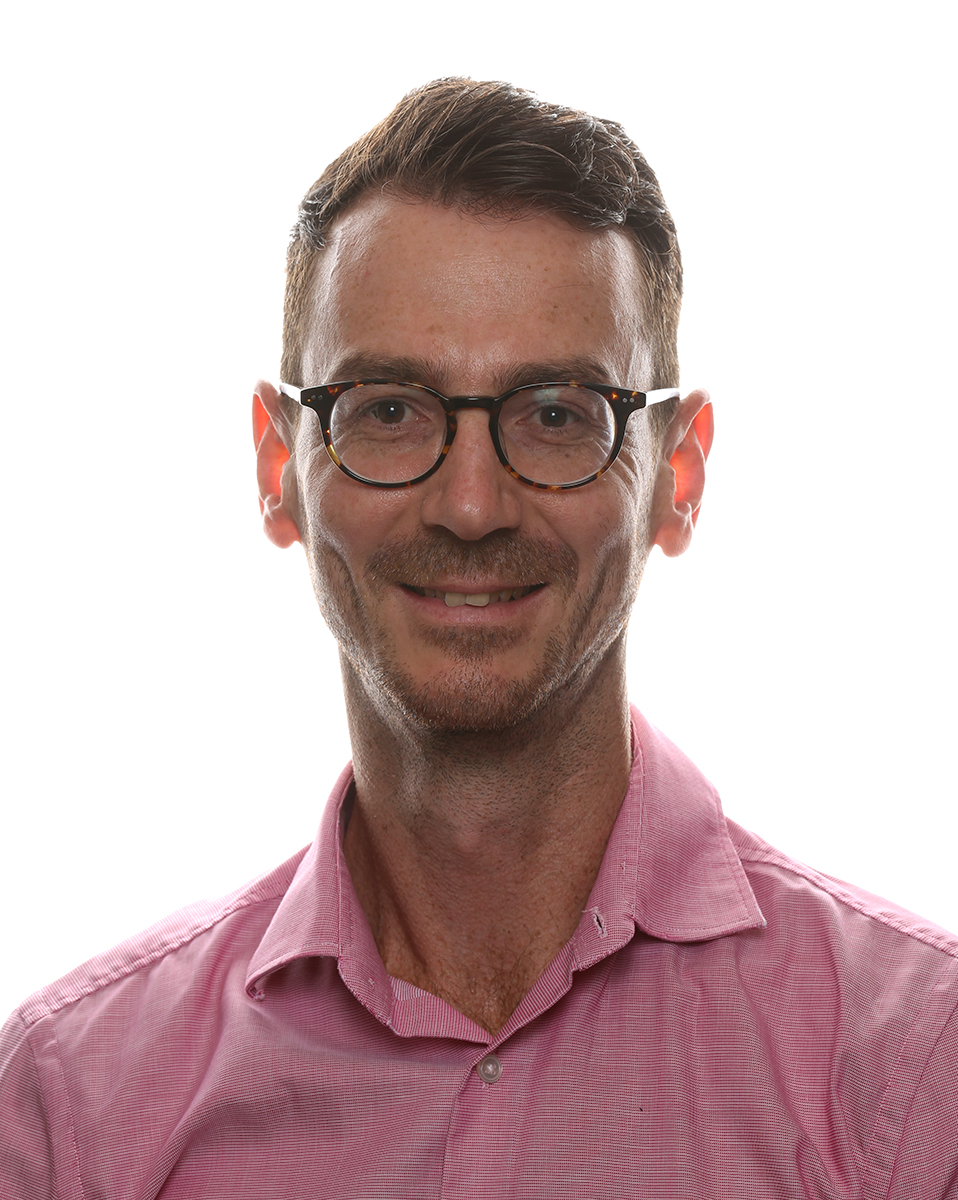
Dr Rogan Fraser
B.Sc (Hons), B.Optom, MD, FRANZCO
Neuro-Ophthalmology
General Ophthalmology
Dr Rogan Fraser practices comprehensive, general ophthalmology with an interest in neuro-ophthalmology. He graduated from the University of Melbourne with a Doctor of Medicine in 2015 where he was on the Dean's Honours list. Prior to that, he practised as an optometrist in regional Victoria for a number of years, which is where his passion for personalised compassionate and full scope eyecare was developed and honed. Dr Fraser undertook his ophthalmology training through the Royal Victorian Eye and Ear Hospital, and in his final year was appointed the Chief Registrar. He currently works as a consultant in the Neuro-ophthalmology unit at the Eye and Ear, as well as in that hospital's emergency department. In this capacity he supervises and teaches both ophthalmology and neurology trainees. He is a visiting lecturer for Monash and Deakin universities, and has been a faculty member of surgical, and neuro-ophthalmology conferences throughout Australia. He is a Fellow of the Royal Australian and New Zealand College of Ophthalmologists, and a member of both the Neuro-Ophthalmology Society of Australia, and the UK Neuro-Ophthalmology Society.
Qualifications
- —B.Sc (Hons)
- —B.Optom
- —MD
- —FRANZCO
Academic
- —Visiting Lecturer, Monash University
- —Visiting Lecturer, Deakin University
Professional Memberships
- —Neuro-Ophthalmology Society of Australia
- —UK Neuro-Ophthalmology Society
Public Appointments
- —Neuro-ophthalmology Unit, Royal Victorian Eye and Ear Hospital
- —Emergency Department, Royal Victorian Eye and Ear Hospital
Further Reading
For detailed patient guides on cataract surgery, anaesthesia, costs, and recovery, see:
Referring a Patient for Cataract Surgery
GPs and optometrists can refer patients to Northern Eye Consultants for cataract assessment and surgery. Referrals can be addressed to Northern Eye Consultants, Northpark Private Hospital, Bundoora, or to a specific surgeon by name. Please include current visual acuity, cataract description, relevant medical history, and current medications. Urgent referrals should be marked urgent and the rooms called directly on (03) 9466 8822.
Frequently Asked Questions
Is cataract surgery covered by Medicare?
Yes. Cataract surgery is covered by Medicare as it is a medically necessary procedure. Most patients with private health insurance will have little or no out-of-pocket cost. Patients without private health insurance can be treated as a public patient at a public hospital, though waiting times apply. Our team can discuss your specific Medicare and insurance situation at your consultation.
How long does cataract surgery take?
The surgical procedure itself typically takes 10–20 minutes per eye. However, you should allow around 2–3 hours at the hospital on the day of surgery to account for pre-operative preparation, the procedure, and post-operative recovery.
When can I drive after cataract surgery?
You cannot drive on the day of surgery and should arrange a lift home. Most patients are cleared to drive within a few days once vision has improved sufficiently and your surgeon is satisfied with your recovery at the post-operative check. Your surgeon will advise you specifically at your follow-up appointment.
Can both eyes be done at the same time?
In most cases, cataract surgery is performed on one eye at a time, with the second eye operated on 1–4 weeks later. This staged approach allows your surgeon to assess the outcome of the first eye — particularly the lens power — before finalising the plan for the second eye.
How do I choose the right lens implant?
The right lens depends on your prescription, eye health, and lifestyle goals. Monofocal lenses provide excellent distance vision but require reading glasses. Toric lenses correct astigmatism. Multifocal and extended depth-of-focus (EDOF) lenses reduce the need for glasses at multiple distances. Your surgeon will discuss the best option for you based on your individual circumstances.
Where is cataract surgery performed?
Our ophthalmologists perform cataract surgery at Northpark Private Hospital in Bundoora, which is conveniently located for patients across Melbourne's northern suburbs including Bundoora, Greensborough, Heidelberg, Preston, Reservoir, Epping, South Morang, Mill Park, Plenty, Eltham, Macleod, Watsonia, Lalor, Thomastown, and Whittlesea.
IOL Comparison: Which Lens Is Right for You?
The right lens depends on your lifestyle, eye health, and visual priorities. Your surgeon will make a personalised recommendation at your pre-operative consultation.
| Feature | Monofocal | Multifocal | EDOF | Toric |
|---|---|---|---|---|
| Distance vision | Excellent | Excellent | Excellent | Excellent |
| Reading vision | Glasses required | Good–excellent | Glasses for fine print | Glasses required |
| Computer / intermediate | Partial | Good | Good | Partial |
| Glasses dependence | Reading glasses | Low overall | Minimal for distance & intermediate | Reduced for distance |
| Halos / glare risk | Very low | Moderate | Low | Very low |
| Astigmatism correction | No | Toric version available | Toric version available | Yes |
| Medicare-listed lens | Yes ✓ | Additional cost | Additional cost | Additional cost |
| Best suited for | Patients happy with reading glasses; prioritise optical quality | Motivated patients; healthy eyes; maximum glasses independence | Computer users; night drivers; reduce glasses with fewer halos | Patients with significant astigmatism |
EDOF = Extended Depth of Focus. Toric versions of monofocal, EDOF, and multifocal lenses are available for patients with astigmatism.Compare lenses in detail →
Medicare & Cost of Cataract Surgery in Melbourne
Cataract surgery is covered by Medicare as a medically necessary procedure. The total out-of-pocket cost for cataract surgery in Melbourne depends on several factors — understanding each component before your consultation helps avoid surprises.
Medicare rebate
Applies to all patientsMedicare covers 75% of the Medicare schedule fee for the surgeon, anaesthetist, and assistant surgeon fees when surgery is performed in a private hospital. The schedule fee is set by the government and is typically lower than actual specialist fees.
Private health insurance
For insured patientsHospital cover pays the Northpark Private Hospital facility fee (theatre, nursing, day surgery). Some funds have gap cover agreements that further reduce the surgeon's out-of-pocket cost. Check with your insurer before your consultation.
Standard monofocal lens
No additional lens costStandard monofocal IOLs are listed on the Medicare Prostheses List — there is no additional out-of-pocket charge for the lens itself.
Premium lens (toric, EDOF, multifocal)
Additional cost — not covered by MedicarePremium lens implants involve an additional patient-paid fee not covered by Medicare or private health insurance. Costs vary by lens design. Your surgeon will include this in your written fee estimate.
Surgeon's gap fee
Out-of-pocketNorthern Eye Consultants is a specialist private practice. A gap applies between the specialist's fee and the Medicare rebate. A detailed written fee estimate will be provided before you commit to proceeding.
What to Ask Your Insurer Before Surgery
- 1Is cataract surgery covered under my current level of cover?
- 2Do I have any remaining waiting periods for eye procedures?
- 3Does my fund have a gap cover agreement with Northern Eye Consultants?
- 4What is the expected hospital benefit for a day procedure at Northpark Private Hospital?
- 5Will I receive any benefit for a premium lens implant?
Fee Estimate Before Surgery
We provide every patient with a detailed written fee estimate before surgery — covering the surgeon's fee, expected Medicare rebate, lens cost if applicable, and likely out-of-pocket total.
Request a Fee EstimateQuestions to Ask Your Cataract Surgeon
An informed patient gets the best outcome. Use this checklist at your consultation — or print it to take with you.
Surgeon Credentials
- Are you FRANZCO-accredited?
- Do you have subspecialty fellowship training in cataract surgery?
- How many cataract procedures do you perform each year?
- What is your rate of posterior capsule rupture?
The Operation
- Will you personally perform my biometry and operate?
- Which surgical technique do you use?
- What hospital will my surgery be performed at?
- How do you manage the second eye if a complication occurs with the first?
Lens Choice
- Which lens do you recommend for my eyes and lifestyle?
- What are the realistic trade-offs for each lens option?
- What will my vision be like for distance and reading after surgery?
- Are there any reasons I am not suitable for a premium lens?
Costs & Follow-up
- Can I have a written fee estimate before committing?
- What does my private health insurance cover?
- How many post-operative appointments are included?
- Who do I call if I have concerns after surgery?
For GPs: When to Refer for Cataract Surgery
Clinical Referral Criteria
The following clinical indicators warrant referral to an ophthalmologist for cataract assessment. Referrals can be sent via HealthLink EDI: nthneyec, fax: 03 9466 8833, or post.
Visual Acuity Thresholds
- Best corrected visual acuity worse than 6/12 in the better eye — below the legal standard for driving
- Visual acuity worse than 6/9 in patients with occupational or lifestyle visual demands
- Significant acuity decline over recent visits despite updated refraction
Functional Impairment Indicators
- Patient reports difficulty driving, especially at night (glare, halos)
- Inability to safely perform occupational tasks requiring visual acuity
- Difficulty with activities of daily living: reading, cooking, recognising faces
- Falls risk attributed in part to impaired vision
- Significant reduction in quality of life from visual symptoms
Diabetic Patients
- Earlier referral recommended — diabetic cataracts progress faster and carry additional surgical considerations
- Assess HbA1c and optimise glycaemic control before referral where possible
- Include diabetic retinopathy history and most recent retinal review results in the referral
- Alert the specialist if significant diabetic macular oedema is known or suspected
Driving Licence Requirements
- Standard driver: minimum 6/12 binocular visual acuity
- Commercial/heavy vehicle drivers: stricter standards apply — refer early if acuity is declining toward threshold
- Patients who have ceased driving due to visual impairment are appropriate for urgent referral
Referral Details
What to Include in a Cataract Referral
- Patient demographics and Medicare number
- Best corrected visual acuity (each eye)
- Degree and type of cataract if assessed
- Relevant medical history (diabetes, glaucoma, AMD, prior eye surgery)
- Current medications including eye drops, anticoagulants
- Driving status and any occupational visual requirements
- Clinical urgency
Detailed Procedure Guides
For in-depth clinical information on cataract surgery and lens options, see Dr MacIntyre's procedure guides on corneaeyedoctor.com.
Complete cataract surgery guide ↗
Overview of phacoemulsification, lens options, risks, and recovery.
Multifocal IOL guide ↗
How multifocal intraocular lenses work, who they suit, and realistic expectations.
EDOF lens guide ↗
Extended depth-of-focus lenses — benefits, trade-offs, and comparison with multifocals.
Explore the Cataract Surgery Hub
Blog Articles
We serve patients from across Melbourne's north, including:
Ready to Discuss Cataract Surgery in Melbourne?
Contact us to make an appointment with one of our specialist ophthalmologists. A referral from your GP or optometrist is required.